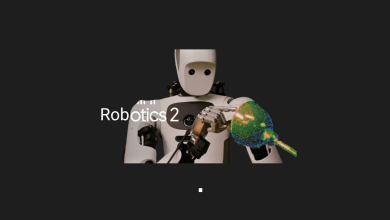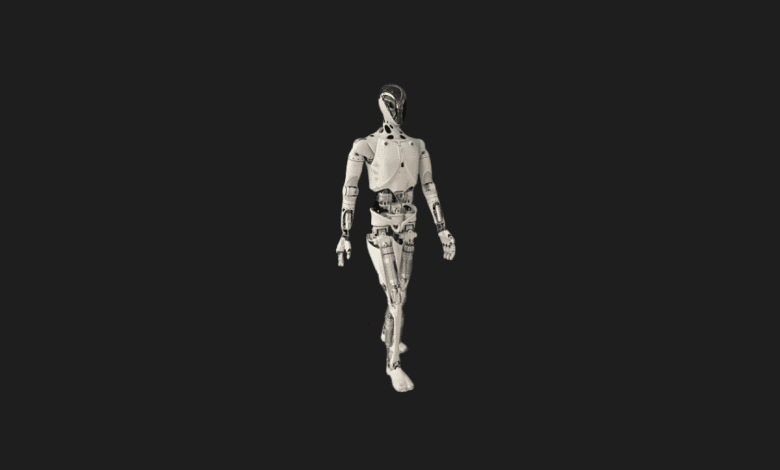

I’ve been following the robotics race for a while now, but something feels different about the news coming out of the XPeng camp this week. When we talk about humanoid robots, we usually think of laboratory experiments or tech demos that look cool but feel fragile.
However, XPeng has just rolled the ET1 prototype off a real automotive production line. This isn’t just a “cool gadget” update. To me, this marks the moment where robotics stops being a hobby for big tech and starts becoming a heavy industrial reality.
The “Automotive Grade” Difference: Why It Actually Matters
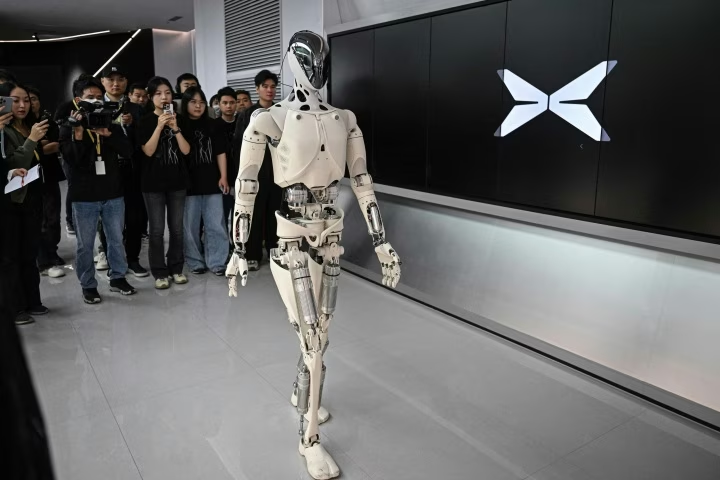
When I first read He Xiaopeng’s announcement, the term “automotive standards” jumped out at me. In the world of manufacturing, there is a massive gulf between consumer electronics and automotive grade.
- Durability: Cars are built to last 15 years in extreme heat, cold, and vibration.
- Safety: The redundancy required in a car’s braking system is now being applied to a robot’s joints.
- Scale: XPeng isn’t planning to build ten of these; they are using the same logic that produces thousands of EVs every month.
I find it fascinating that XPeng is leveraging its existing supply chain to solve the biggest problem in robotics: mass production. While other companies are struggling to move past hand-built prototypes, the ET1 is already speaking the language of the assembly line.
From IRON to ET1: The Evolution of Physical AI
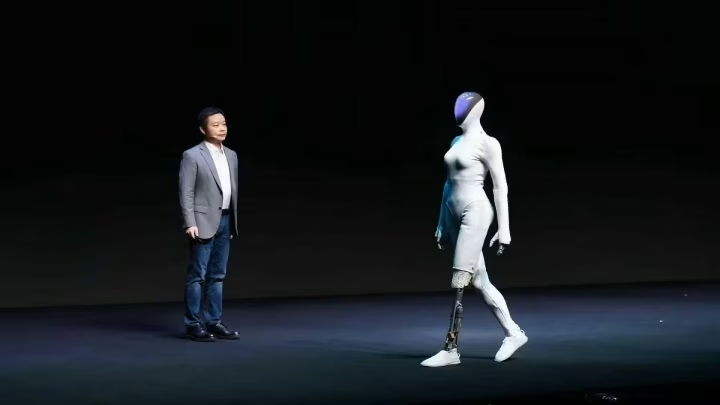
I remember back in 2024 when XPeng showed off the IRON robot. It was impressive—60 joints, 200 degrees of freedom—but it still felt like a “first draft.” Fast forward to now, and the jump to ET1 is staggering.
The secret sauce here is what XPeng calls “Physical AI.” They aren’t just putting a brain in a metal body; they are merging their autonomous driving tech with robotic movement.
What makes the ET1 tick?
- VLA 2.0 Model: This is the “brain” that allows the robot to understand its environment. It uses the same logic XPeng uses for its self-driving cars to navigate complex spaces.
- Bionics and Muscle: The second-gen tech is so fluid that during the last AI Day, people actually thought it was a human in a costume. I had to squint at the screen myself until they showed the internal mechanical components!
- Custom AI Chips: We are talking about trillions of operations per second. This isn’t a robot that “thinks” and then “acts”; it reacts in real-time.
My Take: Will We See These in Our Homes?
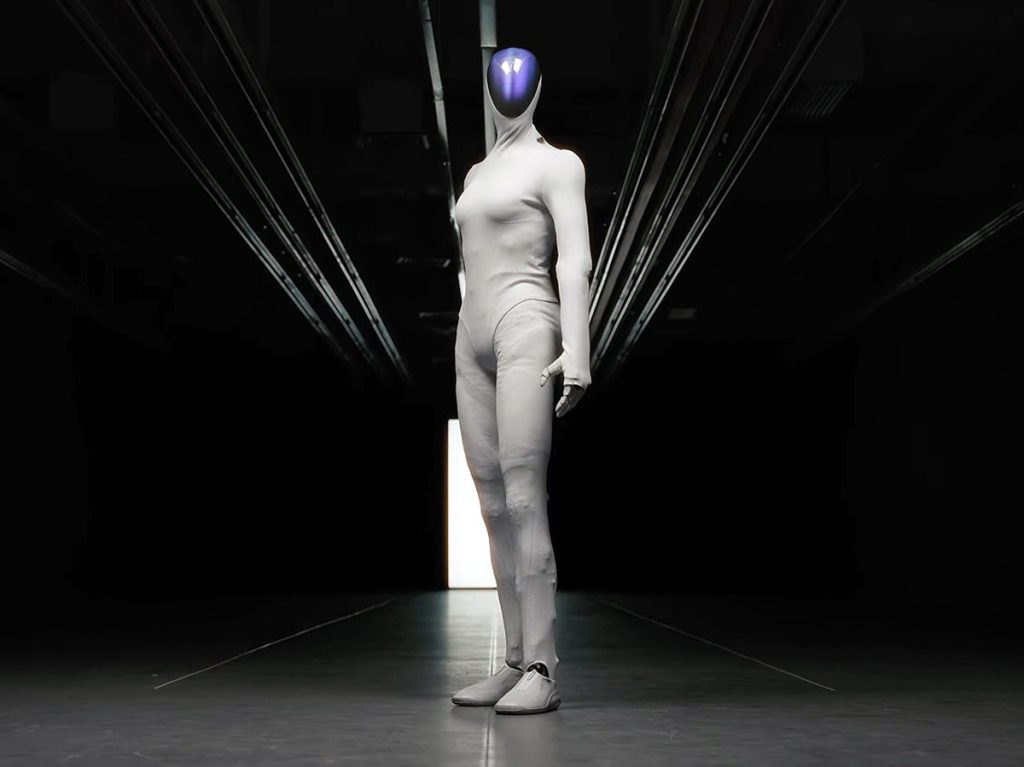
XPeng is being very realistic here, and I appreciate that. They aren’t promising a robot butler that will fold your laundry next week. Instead, they are targeting commercial applications first.
I expect to see the ET1 in:
- Retail and Hospitality: Greeting customers or managing inventory.
- Factory Floors: Working alongside humans in the very factories that built them.
- Service Sectors: Providing information in airports or hotels.
By focusing on these controlled environments, they can iron out the kinks before trying to navigate the chaos of a family living room. The goal of mass production by late 2026 is ambitious, but seeing the ET1 prototype actually standing there, built with the same precision as a P7 sedan, makes me think they might actually pull it off.
The Convergence of Two Worlds

I’ve always said that the “Tesla Bot” (Optimus) and XPeng’s ET1 are essentially cars on two legs. They share the same sensors, the same batteries, and the same neural networks.
What’s happening right now is a total convergence. XPeng isn’t just a car company anymore; they are a Physical AI company. By using a unified architecture for both their EVs and their humanoids, they are creating an ecosystem where the car learns from the robot and the robot learns from the car.
I’m genuinely curious—and a bit nervous—to see how quickly these will integrate into our daily lives. There’s something poetic about a robot being born on the same belt as an electric car, don’t you think?
If you could have an ET1 robot handle one specific task for you in a professional setting, what would it be? Would you trust a “car-grade” robot more than a tech-start-up version? Let me know what you think!
You Might Also Like;